
Overview
Course Description
This eight hour training program training program provides participants with an update on the recent changes to NFPA 70E along with the mandatory OSHA Electrical Safe Work Practice requirements.
Objectives
Persons successfully completing this course will be able to:
- Identify potential electrical hazards.(Shock, Arc & Blast) in their workplace.
- Select and use Personal Protective Equipment in their workplace.
- Apply OSHA Electrical Safe Work Practices work rules in their workplace.
- Comply with OSHA mandated Electrical Safety Training requirements.
Course Outline
Review of General Electrical Fundamentals
- Voltage
- Transformers
- Current Flow
- Overcurrent Protective Devices
Introduction to the 2015 NFPA 70E
- Purpose
- OSHA Involvement
- Training Requirements
Electrical Hazards and Electrical Safe Work Practices
- Shock and its bodily effects
- Definitions related to shock and shock protection
- Electrical safe work practices-shock protection
- Establishing an electrically safe work condition
- Determining safe approach boundaries when exposed to energized parts, circuits, or equipment
- Selecting personal protective equipment working within safe approach boundaries
Arc flash/arc blast and their bodily effects
- Definitions related to arc flash and arc flash protection
- Electrical safe work practices –arc flash/arc blast protection
- Determining an arc flash boundary when exposed to energized parts, circuits, or equipment.
- Selecting personal protective equipment when working within an arc flash boundary
Multimeter selection and safe usage
- Selecting the right meter category (CAT I-IV)
- Inspecting the meter and leads
- Safely taking measurements/readings with the meter
Summary
- Questions & Answers
Other Courses
Discover More Courses
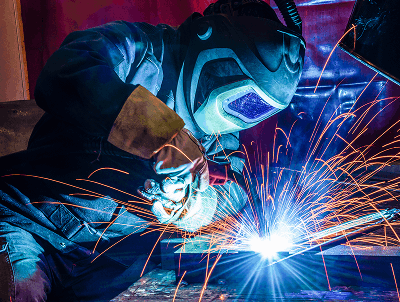
Welding
Our welding courses deliver practical training in maintenance welding, field fabrication, and TIG processes commonly used in industrial environments. Participants develop the skills to perform safe, high-quality repairs and modifications that support equipment reliability and longevity. Each course emphasizes proper technique, setup, and application to ensure consistent, dependable results.
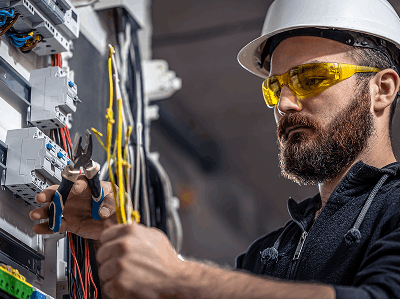
Fluid Power Courses and Consulting Services
Our Fluid Power courses and consulting services develop a strong understanding of pneumatic and hydraulic systems, with a focus on troubleshooting, system performance, and best practices. From foundational concepts to advanced applications, participants gain the skills to diagnose issues and improve system efficiency. These programs support more reliable operation and greater confidence working with critical fluid power systems.

Instrumentation & Process Control
Our Instrumentation & Process Control courses provide practical training in how industrial processes are measured, monitored, and controlled. Covering both foundational and advanced topics, participants learn to work with instrumentation, interpret process data, and troubleshoot control systems. This training supports improved process stability, efficiency, and overall system performance.

PLC and Drives Courses
Our PLC and Drives courses offer hands-on training across Allen-Bradley platforms, motor controls, communication networks, and variable frequency drive systems. Participants build the skills to program, maintain, and troubleshoot automation systems used in modern industrial operations. The training emphasizes real-world application to support reliable performance and efficient system operation.
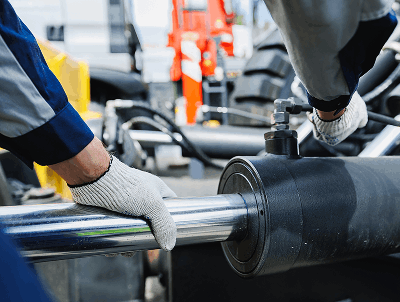
Steam Systems
Our Steam Systems course provides practical training in steam generation, boiler operation, and distribution systems used in industrial environments. Participants learn how to operate, maintain, and troubleshoot steam systems with a focus on efficiency, safety, and reliability. The course supports improved system performance and more effective energy use.